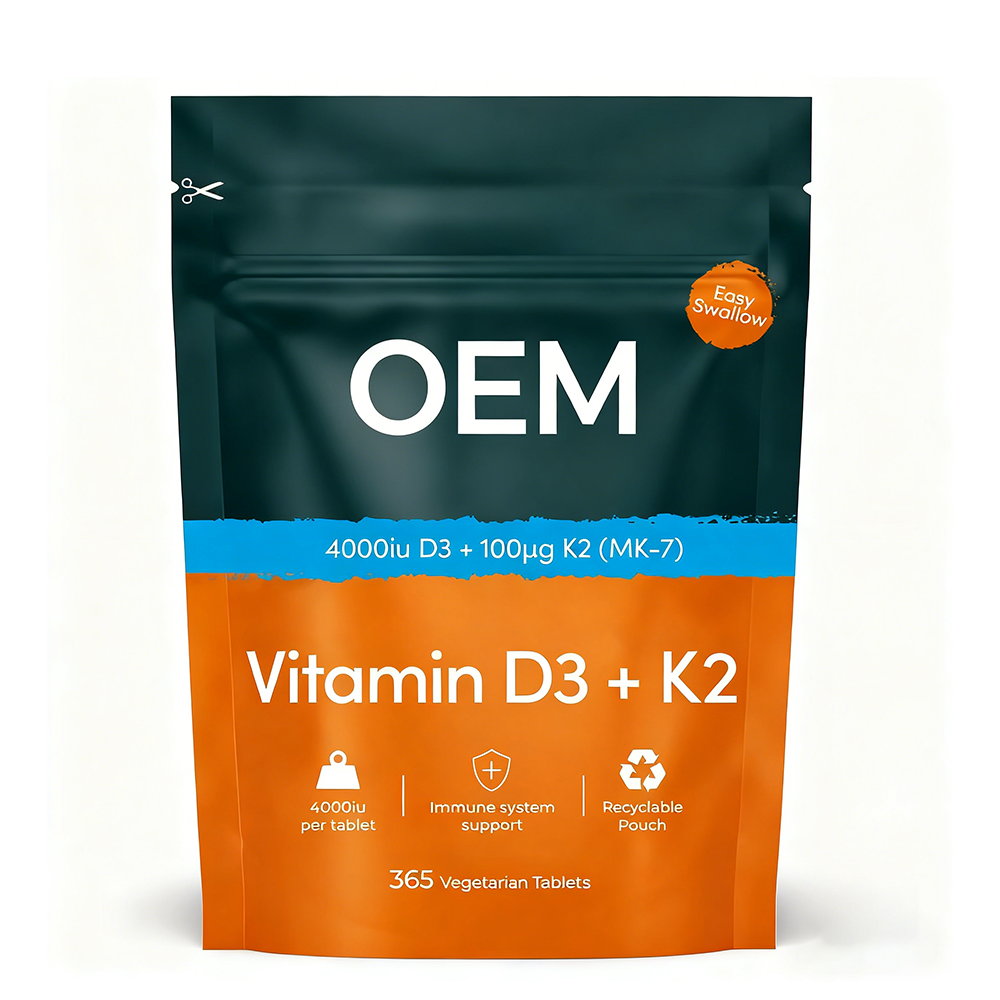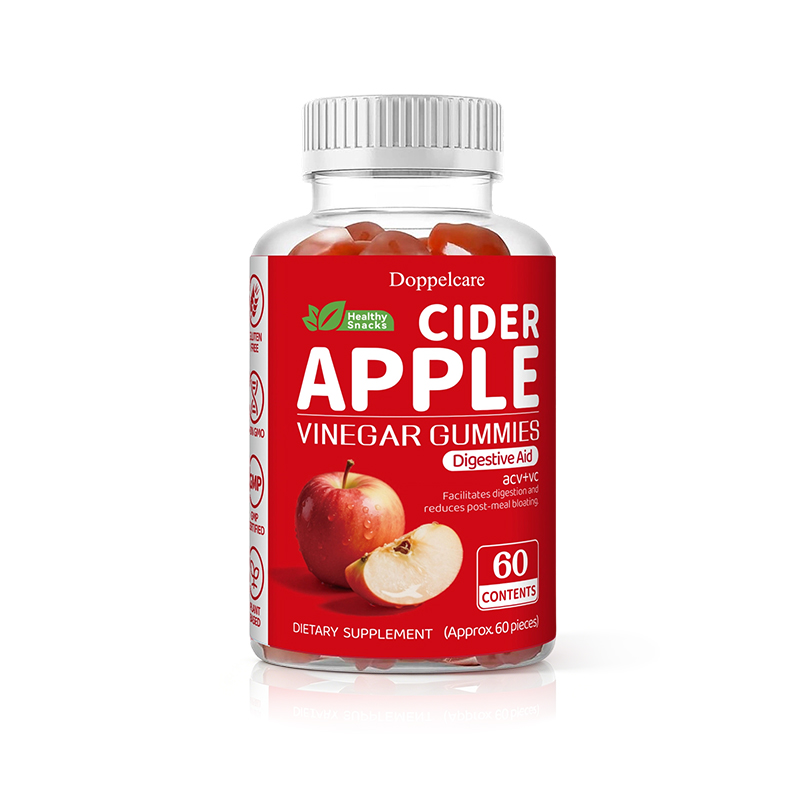
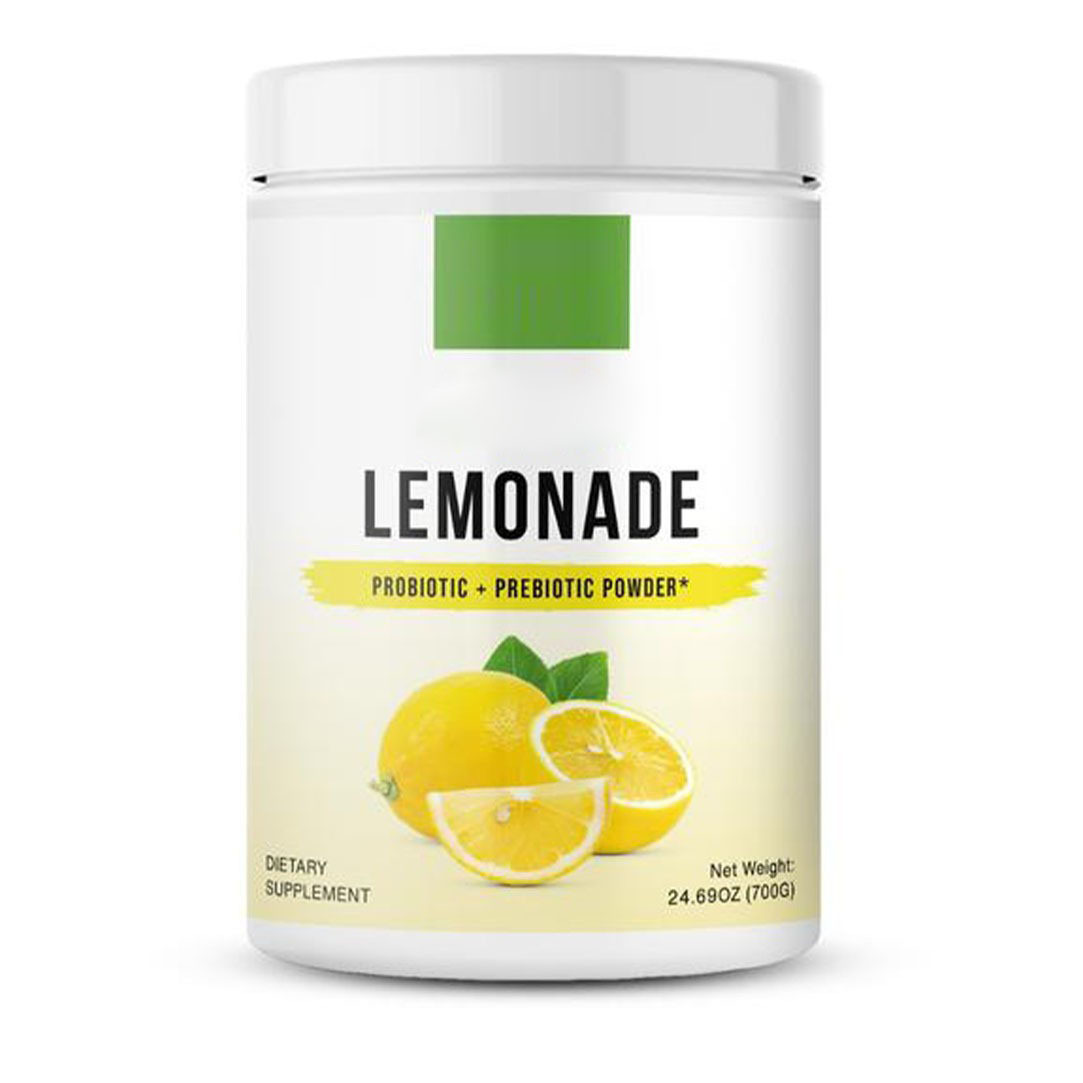
Every supplement brand eventually faces the same decision: which format should my product take? Gummies are delightful, softgels are efficient, tablets are economical, powders are versatile, and liquids are gentle. There is no universally "best" format — there is only the right format for your brand, your active ingredient, and your customer.
Here is an honest comparison to help you choose.
The Five Formats at a Glance
| Format | Best for | Taste | Bioavailability | Per-unit cost | MOQ impact |
|---|---|---|---|---|---|
| Gummies | Consumer brands, daily wellness | Excellent | Moderate | Mid | Low MOQ possible |
| Softgels | Oils, fat-soluble nutrients | None (swallowed) | Excellent | Mid-high | Low MOQ possible |
| Tablets | Budget SKUs, high dosage | None (swallowed) | Good | Low | Higher volumes |
| Powders | Protein, collagen, hydration | Flavorable | Good | Low-mid | Flexible |
| Liquid drops | Kids, low-dose actives | Flavorable | Excellent | Mid | Low MOQ possible |
Gummies: The Consumer Favorite
Gummies are the format that built a generation of wellness brands. They taste good, they are easy to take, and they make daily supplementation feel like a treat rather than a chore.
Strengths:
- Highest consumer appeal and brand potential
- Custom shapes, colors, and flavors create strong differentiation
- Pectin bases open up the vegan market
- Low MOQ possible for white label
Watch out for:
- Sugar (or sugar-alcohol) content — a concern for some customers
- Heat sensitivity during shipping and storage
- Lower active-ingredient capacity per serving than tablets
Best for: brands targeting everyday wellness, kids, and lifestyle positioning.
Softgels: Maximum Absorption
Softgels are the gold standard for fat-soluble ingredients — fish oil, omega-3, CoQ10, vitamin D3, and vitamin E. The gelatin (or plant) shell protects the oil from oxidation and delivers excellent bioavailability.
Strengths:
- Superior absorption for oils and lipid formulations
- No taste — ideal for ingredients customers dislike
- Enteric coating options for delayed release
- Strong dosage precision
Watch out for:
- Higher per-unit cost than tablets
- Not suitable for heat-sensitive actives
Best for: omega-3, CoQ10, vitamin E, and brands prioritizing efficacy.
Tablets: The Cost-Effective Workhorse
Tablets deliver high dosages at the lowest cost per unit. If your product is about value and efficacy rather than experience, tablets are hard to beat.
Strengths:
- Lowest manufacturing cost per dose
- High active-ingredient capacity
- Film and sugar coating options
- Excellent stability
Watch out for:
- Larger pills can be hard to swallow
- Uncoated tablets can have an unpleasant taste
- Less brand differentiation than gummies
Best for: multivitamins, minerals, herbal blends, and value positioning.
Powders: Versatility and Flexible Dosing
Powders shine for protein, collagen, greens, and electrolyte blends. They offer flexible dosing and a large format that feels like "more product" for the price.
Strengths:
- Best format for high-dose actives (protein, creatine)
- Flexible flavoring and instant-dissolution options
- Stick packs and tubs suit different channels
- Affordable per serving
Watch out for:
- Requires mixing — higher usage friction
- Shelf stability depends on moisture control
Best for: sports nutrition, collagen, and wellness routines users already enjoy.
Liquid Drops: Gentle and Flexible
Liquid drops are perfect for low-dose actives and customers who struggle to swallow pills — kids, seniors, and anyone taking vitamin D3, melatonin, or herbal extracts.
Strengths:
- Excellent absorption
- Adjustable dosing (drop by drop)
- Gentle for kids and infants
- Fun, modern brand story
Watch out for:
- Glass bottles add shipping weight and cost
- Flavor masking can be challenging
Best for: kids' vitamins, vitamin D3, melatonin, and tincture-style products.
How to Decide
Run your decision through this filter:
- Match the active ingredient. Oils want softgels. High-dose proteins want powders. Pleasant-tasting low-dose actives suit gummies and liquids.
- Match the customer. Kids and taste-sensitive customers want gummies or drops. Value-conscious customers are fine with tablets.
- Match your positioning. A premium lifestyle brand can justify gummies. A "serious efficacy" brand may prefer softgels.
- Check the MOQ. If you are launching your first brand, formats with low MOQs let you validate before scaling.
FAQ
Which supplement format has the best absorption? Softgels and liquid drops generally offer the best bioavailability. Gummies and tablets are absorbed well but can be affected by digestion and the active ingredient itself.
Are gummies more expensive than tablets? Per unit, yes — gummy manufacturing and ingredients cost more. But the consumer appeal often justifies the higher price point.
Can I offer multiple formats? Absolutely. Many brands launch one format, validate it, then expand. A full-range manufacturer can produce gummies, softgels, tablets, capsules, powders, and liquids under one roof.
Produce Any Format You Can Imagine
MILDY Health operates 8 automated lines covering gummies, softgels, tablets, capsules, powders, and liquids — all under one GMP-certified roof. Tell us about your product and we will recommend the right format for your formula, budget, and market.